The Radical Agenda may utilize affiliate links for recommended books and resources. This means we may earn a small commission from clicks or purchases through those links at no cost to you. We only recommend products and services we believe in. All opinions shared are entirely our own. Thank you for supporting The Radical Agenda!
What Was the Trail of Tears?
In 1828, someone discovered gold in Cherokee territory.
On May 28, 1830, President Andrew Jackson signed The Indian Removal Act. This act basically informed Native Americans that the United States purchased the land east of the Mississippi River and the Native Americans were “free to move” to somewhere across the river.
Some tribes followed government orders, some did not. For the tribes that refused to give up their land and relocate their entire culture, the United States government stepped in to force compliance. One of those tribes was the Cherokee tribe, spanning the area around east Tennessee, North and South Carolina, and Georgia. They were forcibly relocated to Oklahoma, and an estimated 4,000 Cherokee people died on the journey.
The Cherokee called this journey the Trail of Tears, and they were not the only tribe to be forcibly removed from their homes and land. The Choctaw were also moved, and they lost an estimated 2,000 people along the brutal journey through floods, harsh winter, and diseases. The Muscogee Creeks, Seminoles, and Chickasaws were also forcibly removed and lost thousands of their people. The Trail of Tears is now a National Historic Trail, spanning 5,043 miles through nine states.
Note: The Radical Agenda believes in supporting independent bookstores over big box stores, so we share book links using Bookshop.org. Click on the picture to order your copy of the books that catch your eye, and thank you for supporting small businesses around the country!
Click here for a full book list.
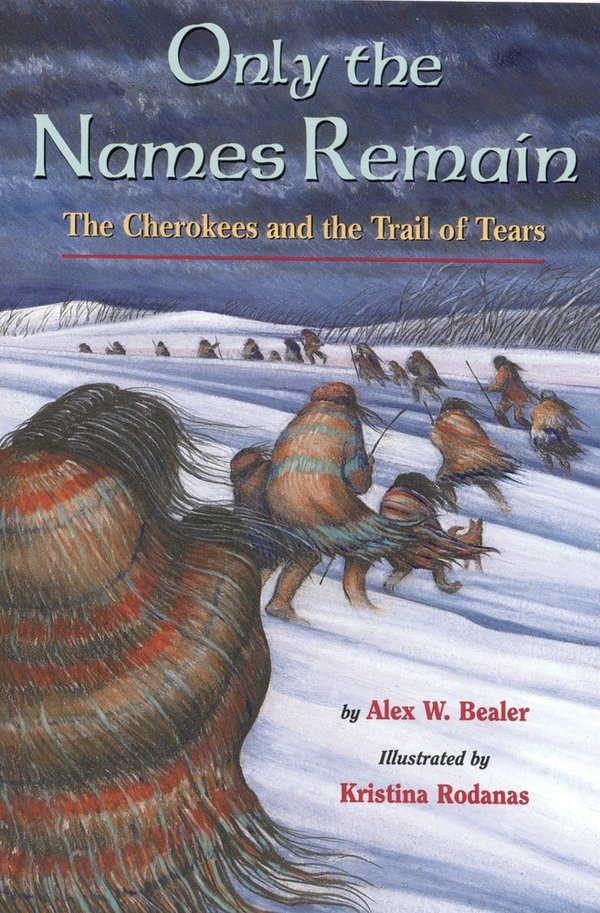
Only the Names Remain: The Cherokees and the Trail of Tears by Alex W. Bealer, illustrated by Kristina Rodanas
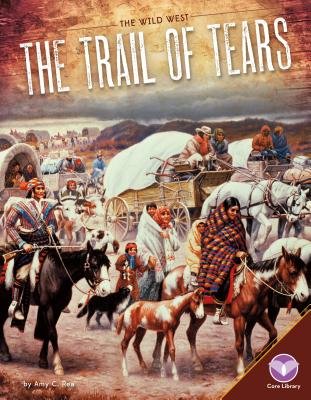
Trail of Tears by Amy C. Rea
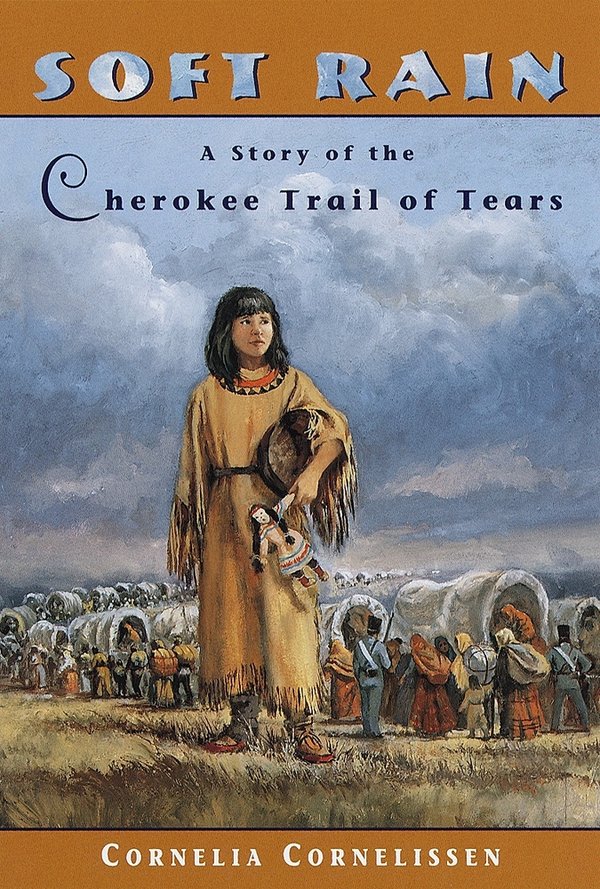
Soft Rain: A Story of the Cherokee Trail of Tears by Cornelia Cornelissen
A historical fiction novel based on the author’s great-grandfather’s Trail of Tears experiences.
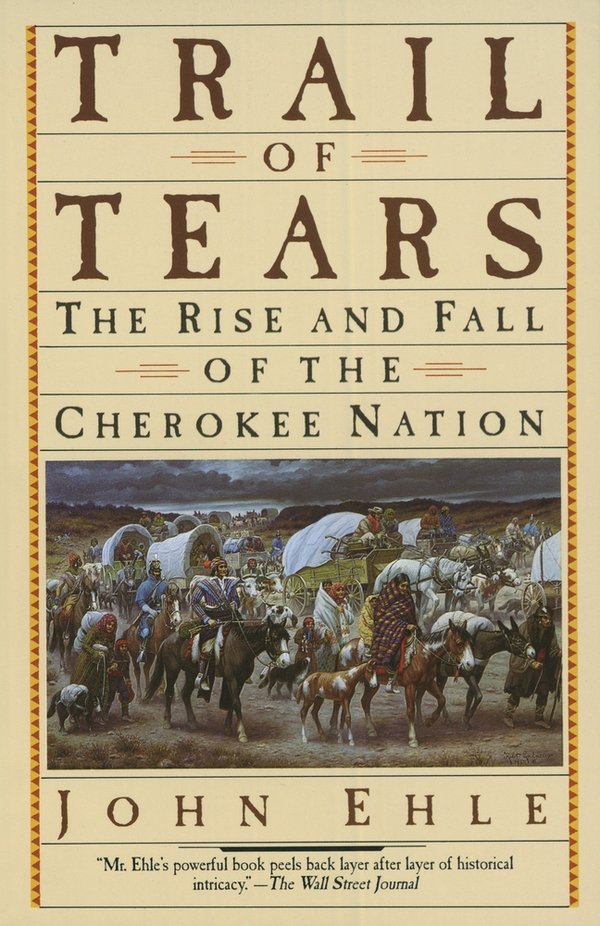
Trail of Tears: The Rise and Fall of the Cherokee Nation by John Ehle
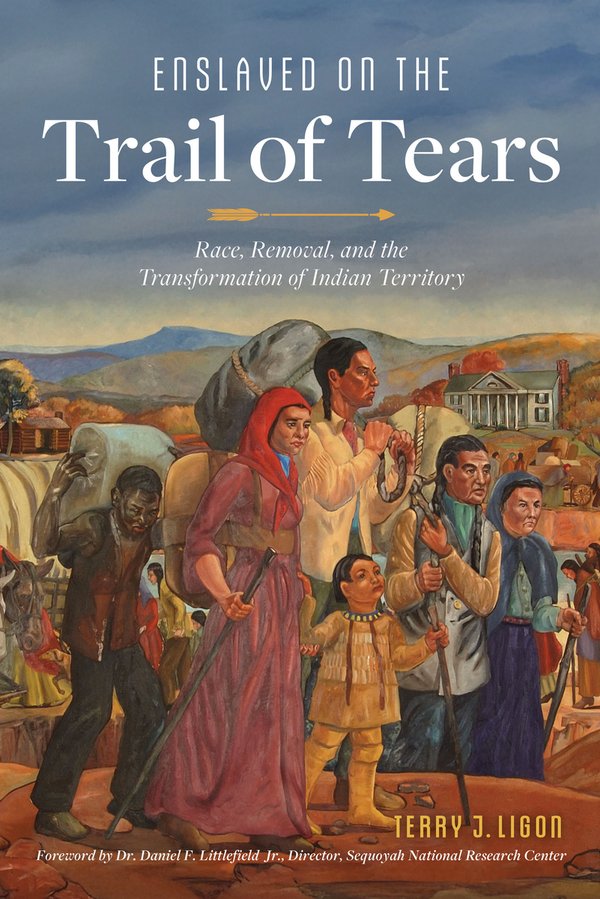
Enslaved on the Trail of Tears: Race, Removal, and the Transformation of Indian Territory by Terry J. Ligon, foreword by Dr. Daniel F. Littlefield
The Trail of Tears: The Forced Removal of the Five Civilized Tribes by Charles River Editors

Touch My Tears: Tales from the Trail of Tears by Sarah Elizabeth Sawyer
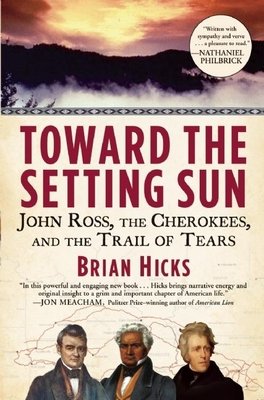
Toward the Setting Sun: John Ross, The Cherokees, and the Trail of Tears by Brian Hicks