The Radical Agenda may utilize affiliate links for recommended books and resources. This means we may earn a small commission from clicks or purchases through those links at no cost to you. We only recommend products and services we believe in. All opinions shared are entirely our own. Thank you for supporting The Radical Agenda!
What Does MMIWG Stand For?
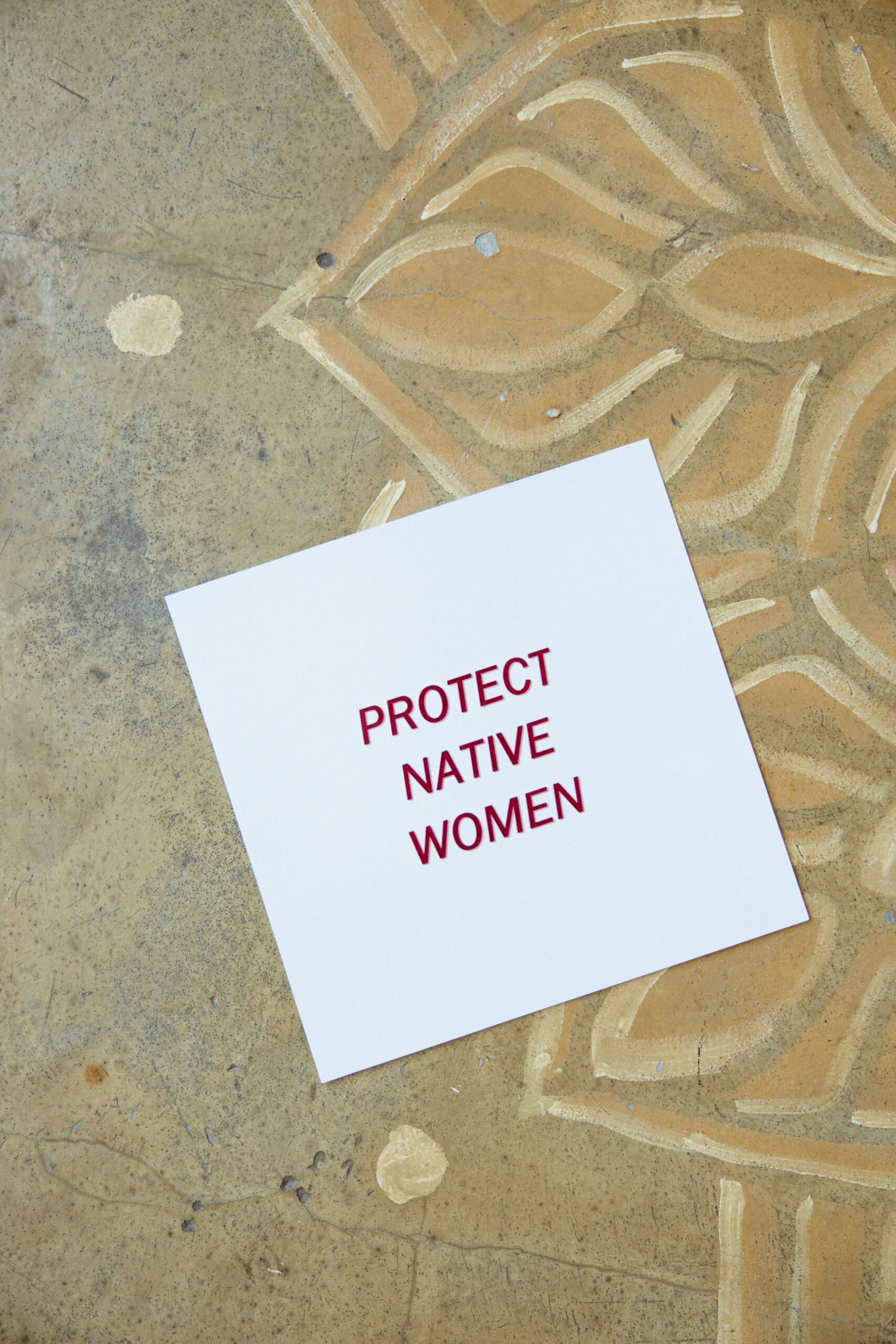
MMIWG stands for Missing and Murdered Indigenous Women and Girls. The sheer volume of missing and murdered indigenous women and girls is a travesty of incredible proportions, effecting both the United States and Canada. A study done by the Urban Indian Health Institute (UIHU) in 2016 showed that 5,712 cases of MMIWG were reported to the authorities, yet a shocking mere 116 were actually logged into the system.
The UIHU spent a year reviewing 506 cases and found that, for those cases were the perpetrator was found and identified, 83% were male and half of those were non-Native people.
The study showed that most cases of MMIWG were simply labeled “domestic violence” and dismissed instead of prosecuted. This dismissal instead of seeking justice is itself an entire conversation about systemic racism because domestic violence is taken more seriously when it is against a white woman.
The numbers for the study were skewed by racism as well. The researchers found that several cases were mislabeled either because the victims were not properly identified as Native American at the time of death, or because they did not live on reservations at the time. This indicates that there are likely many, many more victims who remain undocumented.
The Department of Justice already reports that Native women, girls, non-binary, and two-spirits are already ten times more likely to be murdered compared to the national average murder rate. It is heartbreaking to think what could be the true numbers.
While the stories of missing and murdered indigenous women and girls are from all over the country, the Indigenous research and advocacy group, Sovereign Bodies Institute, has named an area in southern Montana called Bighorn County as the “epicenter” of cases, because there are fifty cases of missing and murdered Indigenous people in this one county – including over a dozen men and boys. They filmed a documentary about their research called Say Her Name, which you can watch for free online.
Legislation for MMIWG
On November 26, 2019, President Donald Trump signed Executive Order 13898, which created a task force specifically to improve law enforcement response to missing and murdered women and girls, as well as additional support solving cold cases. The task force, named “Operation Lady Justice” was to last for two years and report regularly on their progress. It included members of the Department of Justice, the Department of the Interior, and the Department of Health and Senior Services. You can read the final report here.
In 2020, Congress passed the Not Invisible Law (Senate Bill 982), which states its purpose to “ensure prevention efforts, grants, and programs of Federal agencies related to the murder of, trafficking of, and missing” Native Americans. Studies show that survivors of assault and violence are at a much higher risk of suicide, addiction, and homelessness. Through the funding, Congress hopes to increase education of law enforcement to recognize domestic violence and provide education and resources for survivors.
On November 15, 2021, President Joe Biden signed Executive Order 14053, which among other initiatives to increase safety for Native Americans and especially those who live in more urban settings, also further encouraged cooperation between Native American law enforcement and Federal government law enforcement to thoroughly investigate Missing and Murdered Indigenous Women and Girls and Two-spirit people so justice could be served.
Note: The Radical Agenda believes in supporting independent bookstores over big box stores, so we share book links using Bookshop.org. Click on the picture to order your copy of the books that catch your eye, and thank you for supporting small businesses around the country!
Click here for a full book list.

Keetsahnak: Our Missing and Murdered Indigenous Sisters, edited by Kim Anderson, Maria Campbell, and Christi Belcourt
Unbroken: My Fight for Survival, Hope, and Justice for Indigenous Women and Girls by Angela Sterritt
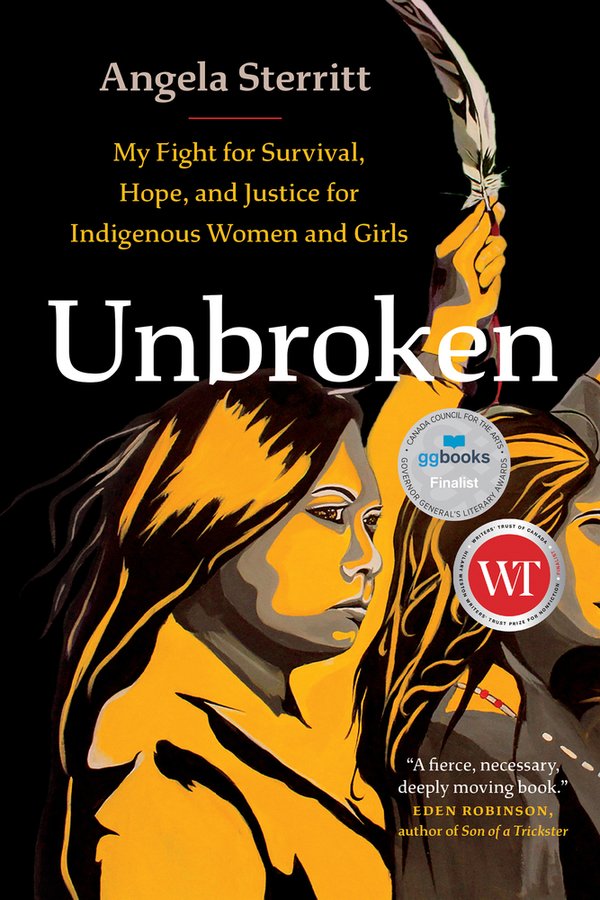
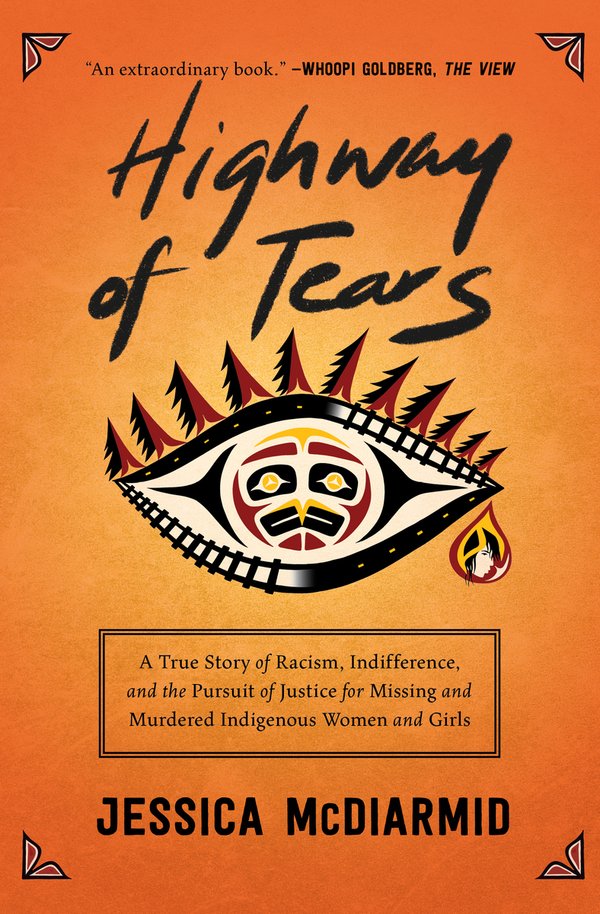
Highway of Tears: A True Story of Racism, Indifference, and the Pursuit of Justice for Missing and Murdered Indigenous Women and Girls by Jessica McDiarmid
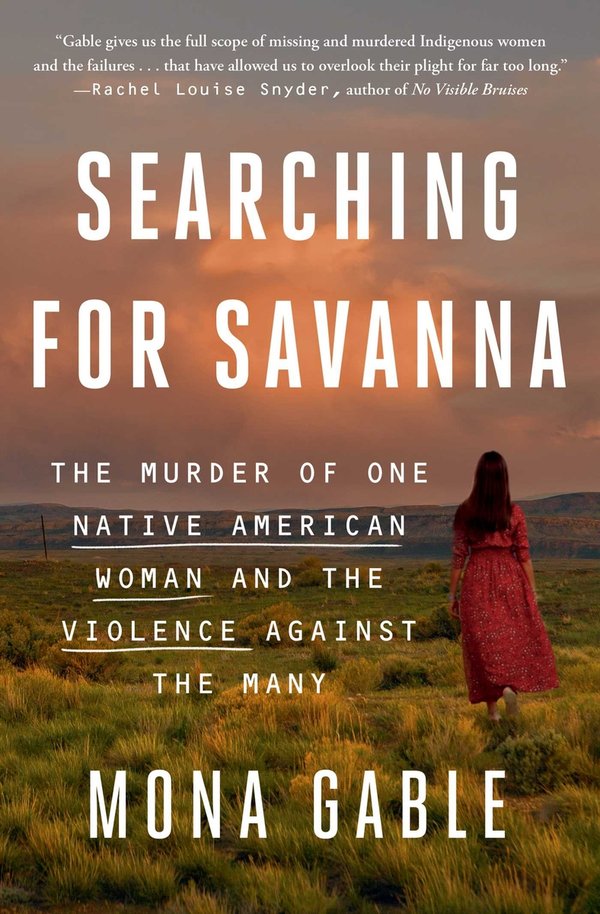
Searching for Savanna: The Murder of One Native American Woman and the Violence Against the Many by Mona Gable