The Radical Agenda may utilize affiliate links for recommended books and resources. This means we may earn a small commission from clicks or purchases through those links at no cost to you. We only recommend products and services we believe in. All opinions shared are entirely our own. Thank you for supporting The Radical Agenda!
Emmett Till
What Happened to Emmett Till?
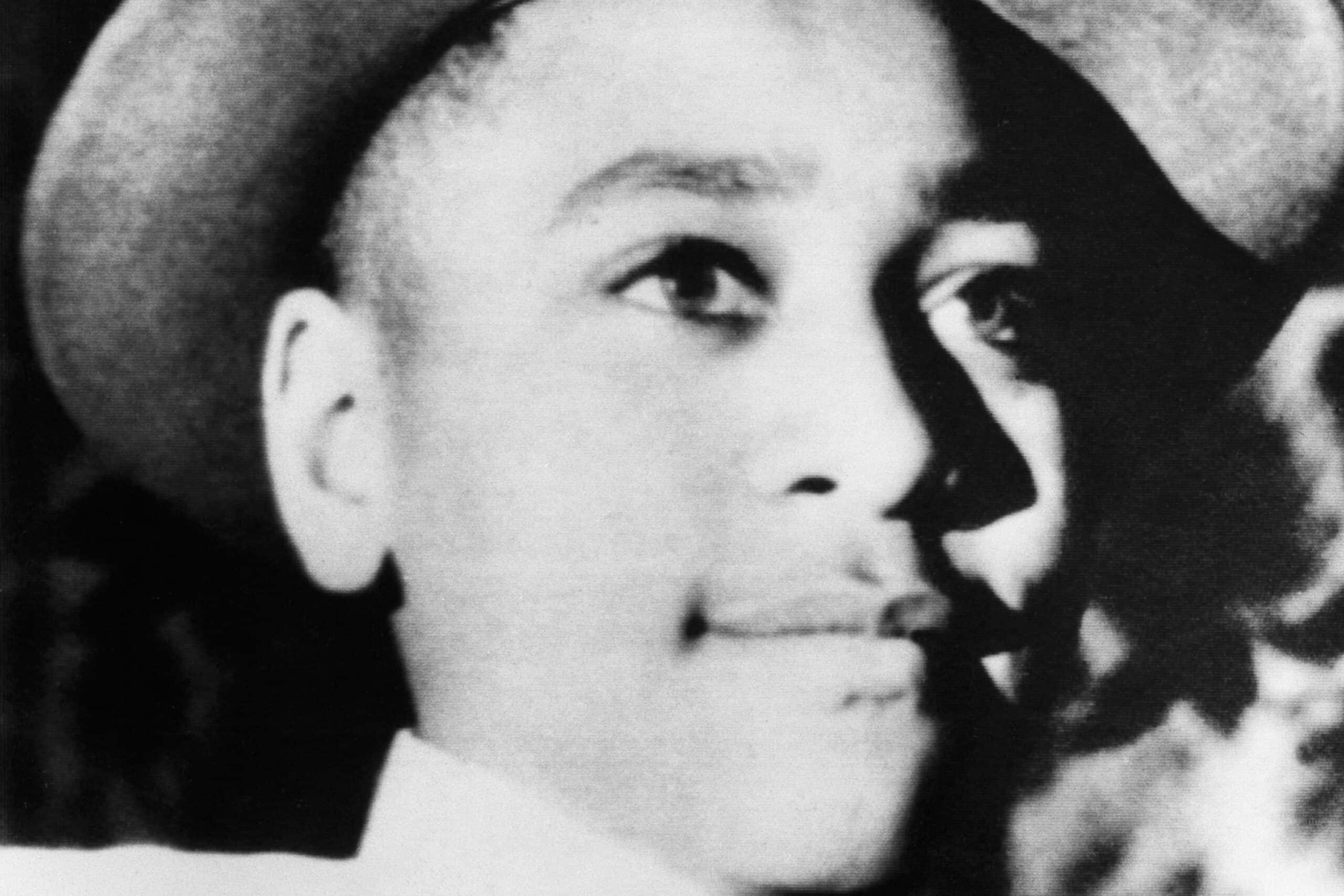
In 1955, 14-year-old Emmett Till was beaten, shot in the head, and thrown in a river with an old cotton gin fan tied around his neck with barbed wire. Who was responsible for this violence?
Emmett Till lived in Chicago, Illinois, but was in Money, Mississippi visiting family. On August 28, he went into a grocery store and allegedly he said “bye, baby” at the white wife of the store owner as he left the grocery store. The woman, Carolyn Bryant, then grabbed a gun from her car and threatened him. He left the premises.
In response to the alleged whistle, two men kidnapped him, shot him, beat him, used barbed wire to tie a cotton-gin metal fan around his neck, and threw him into the river. His body was later discovered washed up at the edge of the river.
When Emmett’s body was recovered, his mother, Mamie Till-Mobley, wanted the world to know the full, horrific effects of lynching. She opened his casket and his funeral to the public, and an estimated 50,000 people came to pay respects. It was also covered by Jet Magazine, a Black-owned magazine, which published a picture of Emmett’s mutilated face in his casket. Emmett’s mother showed the world what racism looks like. The public outcry in response to the picture helped spark the Civil Rights Movement.
The two white men, Carolyn’s husband Roy Bryant and his friend named J.W. Milam, were accused of his murder but were found not guilty by an all-white trial after only an hour’s deliberation. However, they brazenly admitted to the murder in excruciating detail for Look Magazine, where they sold their story for $4,000 (almost $50,000 in today’s money). This was no surprise to the jury, who later said they all (except one) only voted “not guilty” because they believed the death penalty too harsh for killing a black boy. The store closed after a boycott and the Bryants moved to Texas.
In 2007, Emmett’s accuser, Carolyn Bryant, who had testified under oath on trial that Emmett Till had grabbed her and said vulgar things to her, admitted she lied about her accusation. She was never arrested and died of natural causes in 2023.
Remembering Emmett Till
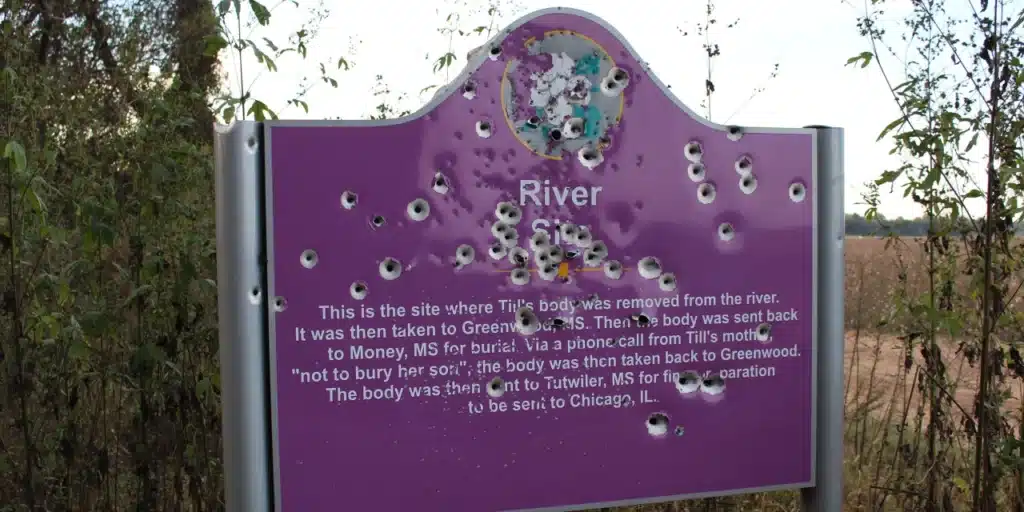
In February of 2020, the House passed the Emmett Till Antilynching Act with a final vote of 410-4. Yes, four lawmakers (3 Republicans and 1 Independent) voted against designating lynching as a federal hate crime. One of the co-sponsors noted in her remarks to journalists that Till’s memorial monument is frequently vandalized. The most recent replacement is now made with reinforced steel and acrylic, in effort to make it resistant to gun fire.
Yes, a memorial monument to a teenager who was brutally murdered after being falsely accused is vandalized to the point of needing to be made bulletproof.
On July 25, 2023, what should have been Emmett Till’s eighty-second birthday, President Joe Biden signed a proclamation dedicating a monument to Emmett. The monument is in three parts: the church where his funeral was held in Chicago, the place on the river where his body was found along the Tallahatchie River, and the courthouse where his murderers were let free.
His birthday, July 25, is now officially recognized throughout the state of Illinois as Emmett Till Day.
Note: The Radical Agenda believes in supporting independent bookstores over big box stores, so we share book links using Bookshop.org. Click on the picture to order your copy of the books that catch your eye, and thank you for supporting small businesses around the country!
Click here for a full book list.
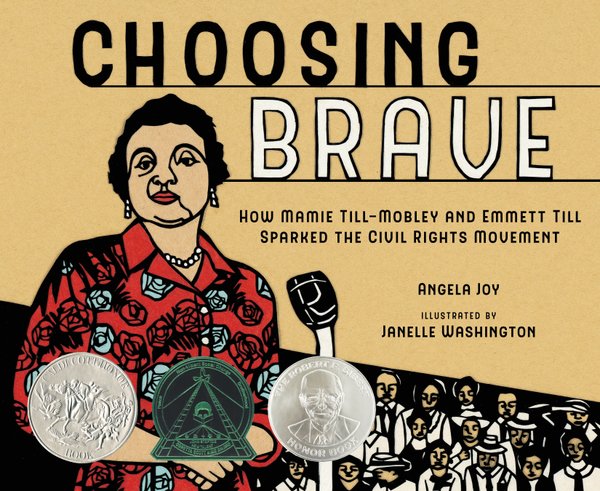
Choosing Brave: How Mamie Till-Mobley and Emmett Till Sparked the Civil Rights Movement by Angela Joy, illustrated by Janelle Washington
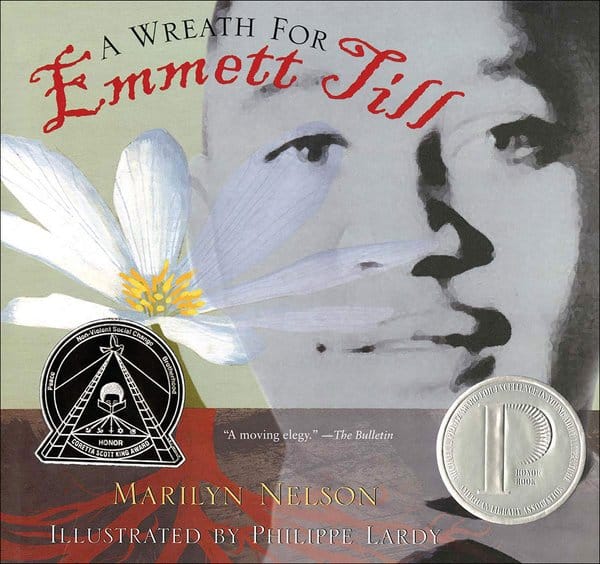
A Wreath for Emmett Till by Marilyn Nelson, illustrated by Phillippe Lardy
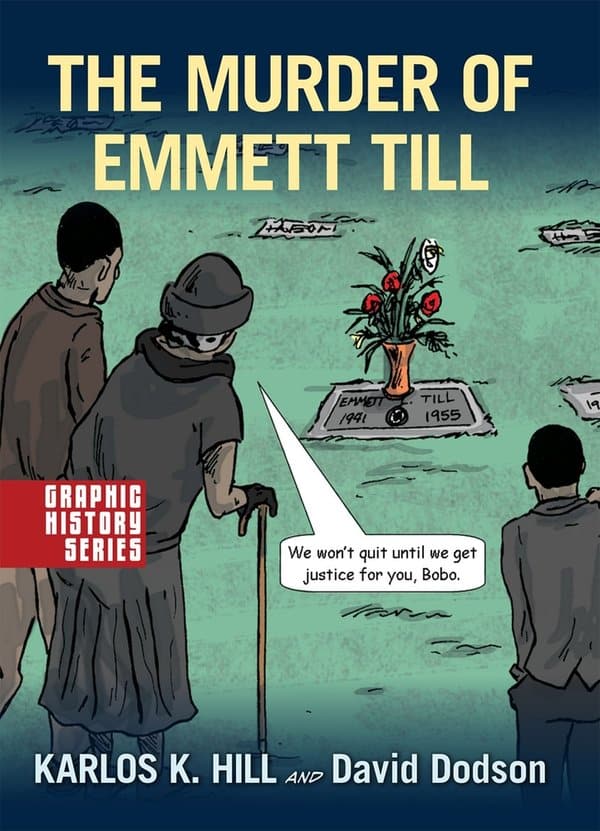
Graphic History Series: The Murder of Emmett Till by Karlos K. Hill and David Dodson
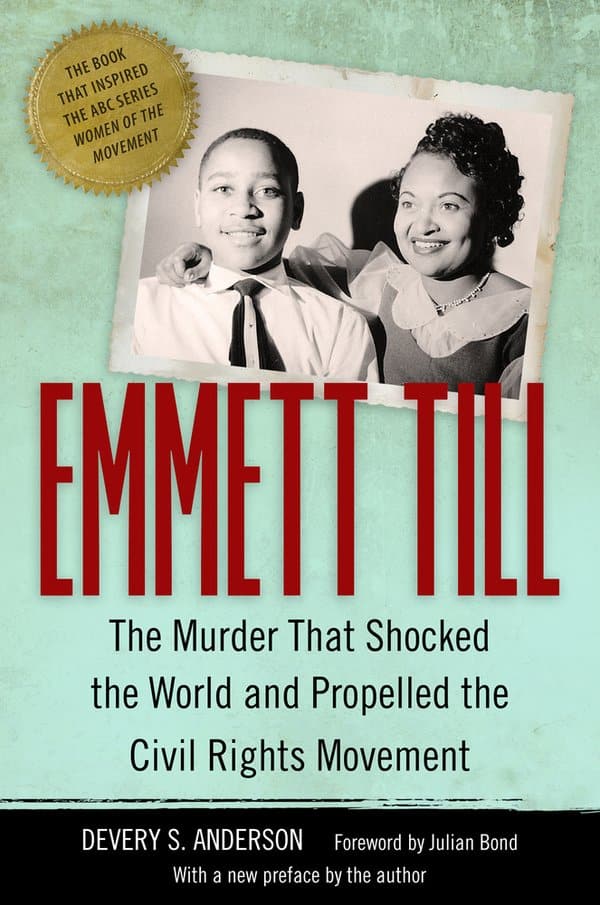
Emmett Till: The Murder that Shocked the World and Propelled the Civil Rights Movement by Devery S. Anderson, Foreword by Julian Bond
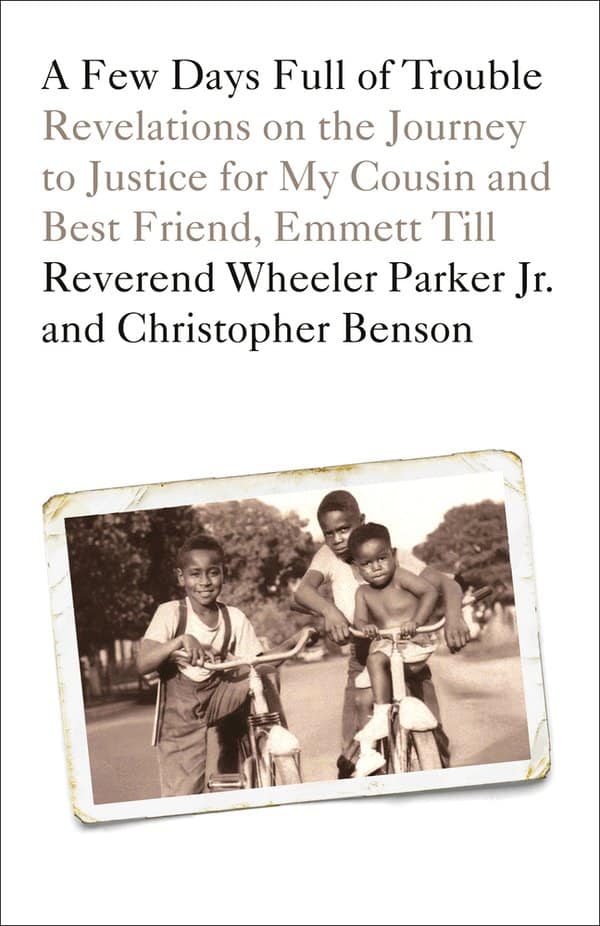
A Few Days Full of Trouble: Revelations on the Journey to Justice for My Cousin and Best Friend, Emmett Till by Reverend Wheeler Parker Jr. and Christopher Benson
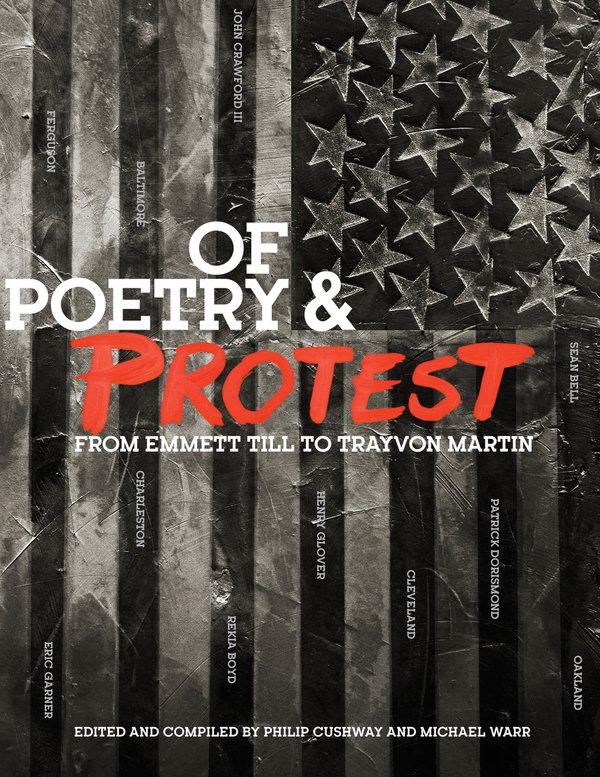
Of Poetry & Protest: From Emmett Till to Trayvon Martin edited and compiled by Philip Cushway and Micheal Warr, photographes by Victoria Smith