The Radical Agenda may utilize affiliate links for recommended books and resources. This means we may earn a small commission from clicks or purchases through those links at no cost to you. We only recommend products and services we believe in. All opinions shared are entirely our own. Thank you for supporting The Radical Agenda!
The time between when AIDS was first recognized as an epidemic and when President Reagan finally publicly acknowledged it was approximately four years. When it was first publicly acknowledged by the White House staff in 1982, the Press Secretary, Larry Speakes, took the opportunity to crack a homophobic gay “joke” rather than answer the question professionally, and asking the reporter, “I don’t have it, do you?”
President Reagan himself did not mention it until 1986, after his friend Rock Hudson passed away from the disease.
The incorrect idea that HIV/AIDS was due to a lifestyle choice severely limited the prompt response from a severely homophobic America. In 1984, a young boy in Indiana, Ryan White, contracted HIV from a blood transfusion – and was subsequently not allowed to return to his school. Even though Ryan was not the first patient to be infected by an HIV positive blood transfusion, it wasn’t until 1985 that the FDA approved an HIV test for blood. After the FDA approval of the blood test, research increased – and so did public education.
Today, we know so much more about HIV/AIDS, including important points like “you cannot contract HIV through sharing a straw, using a public toilet, getting a mosquito bite,” and the best one: “HIV positive people who consistently take their antiretroviral medications and maintain an undetectable viral load cannot transmit the virus to other people.” Thanks in large part to the bravery of HIV+ celebrities (including basketball star Magic Johnson and Queer Eye star Jonathan Van Ness) sharing their personal health history and using their platforms to educate the public, HIV/AIDS is slowly losing its stigma.
America’s next battle needs to be lowering prescription drug costs. HIV antiretroviral medications can cost hundreds-thousands of dollars per month currently. This is obviously impossible for the lower income and uninsured people who live with the virus. While there are some drug programs, including Medicare and Medicaid, that offer some assistance, it can be a process to apply for these programs and acceptance is not guaranteed.
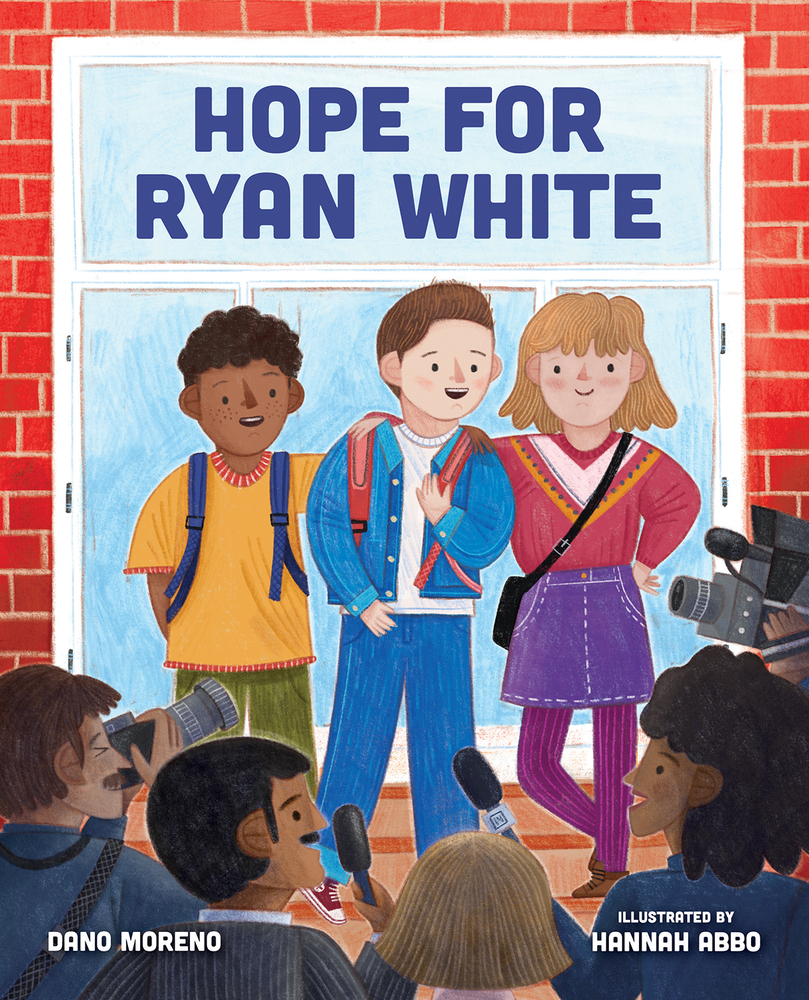
Hope For Ryan White by Dana Moreno
Stitch by Stitch: Cleve Jones and the AIDS Memorial Quilt by Rob Sanders
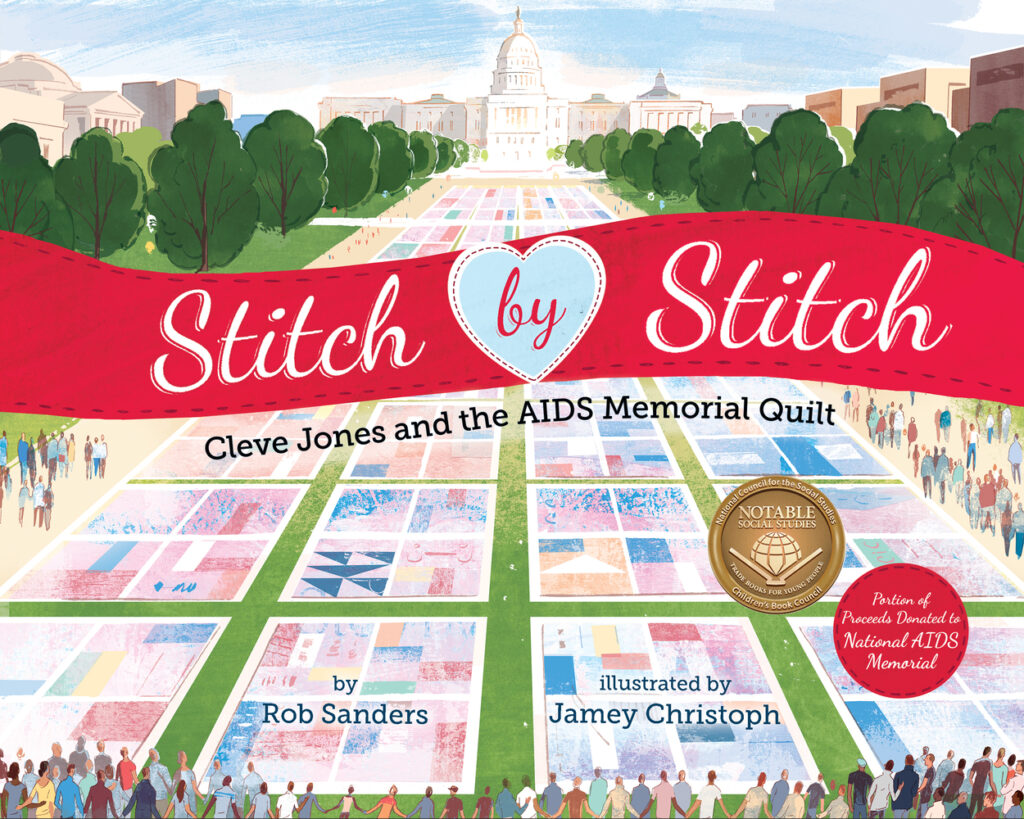
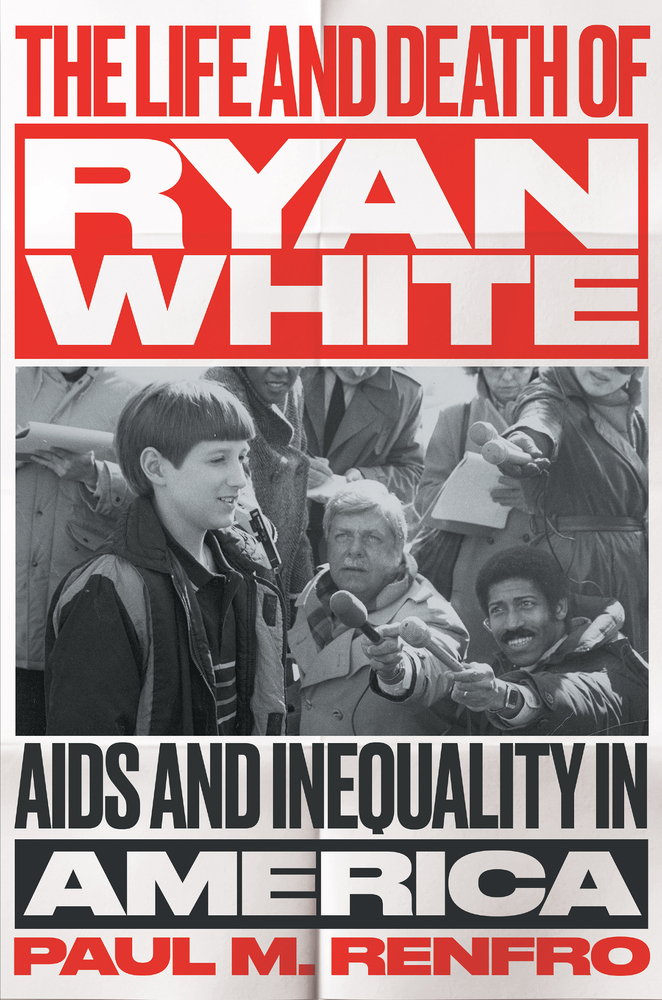
The Life and Death of Ryan White: AIDS and Inequality in America by Paul Renfro
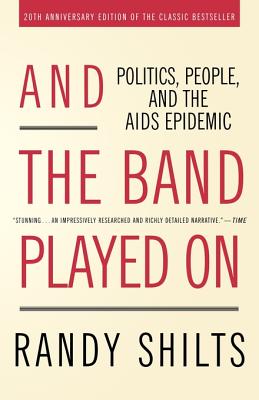
And the Band Played On: Politics, People, and the AIDS Epidemic by Randy Shilts