The Radical Agenda may utilize affiliate links for recommended books and resources. This means we may earn a small commission from clicks or purchases through those links at no cost to you. We only recommend products and services we believe in. All opinions shared are entirely our own. Thank you for supporting The Radical Agenda!
Dred Scott was an enslaved man who fought for his freedom, all the way up to the Supreme Court.
Dred Scott and his wife, Harriet, filed lawsuits against their enslavers for their freedom, fearing that continued enslavement put their two daughters at risk of being sold to other families and taken away from them.
The basis of the lawsuit was that while enslaved, the enslavers had moved the family to “free” states where human enslavement was not allowed. The Scotts argued that they were automatically freed once they crossed the border. The original lawsuit was filed in Missouri in 1846, and they won!
But their enslavers appealed. In 1852, the Missouri Supreme Court overruled the original decision, ruling in favor of the enslavers and blaming the Scotts for filing in Missouri instead of Wisconsin, another “free” territory where Scott’s enslavers lived with the Scott family before moving to Missouri. Scott’s legal fees were paid for by the family of his original enslavers, who had realized that enslaving other humans was wrong.
Dred Scott and his wife appealed again. This time, the appeal went all the way up to the United States Supreme Court. In 1857 final ruling of 7-2, the United States Supreme Court ruled that African-Americans were unable to become citizens of the United States and granting Scott his freedom would be stealing private property from Scott’s enslavers. Scott and his family were freed by his enslavers later that same year, and Dred Scott passed away a free man in 1858.
The Dred Scott vs Sandford U.S. Supreme Court ruling would inspire the Emancipation Proclamation of 1863, which officially freed enslaved people in the Southern states.
I grew up in St. Louis, Missouri, where the Dred Scott court case is commemorated at the court house downtown. As a young Girl Scout, I took a field trip to the Old Courthouse and we went through age-appropriate court documents as scripts and went through a mock trial. I remember all collectively being horrified at the disgusting racism expressed in the court documents and subsequent judgement. If you visit St. Louis, a trip to the Old Courthouse is a good place to learn about Dred Scott and Missouri’s history.
Note: The Radical Agenda believes in supporting independent bookstores over big box stores, so we share book links using Bookshop.org. Click on the picture to order your copy of the books that catch your eye, and thank you for supporting small businesses around the country!
Click here to easily order every book on the list!

Dred and Harriet Scott: A Family’s Struggle for Freedom by Gwenyth Swain
In the Shadow of Dred Scott: St. Louis Freedom Suits and the Legal Culture of Slavery in Antebellum America by Kelly M. Kennington

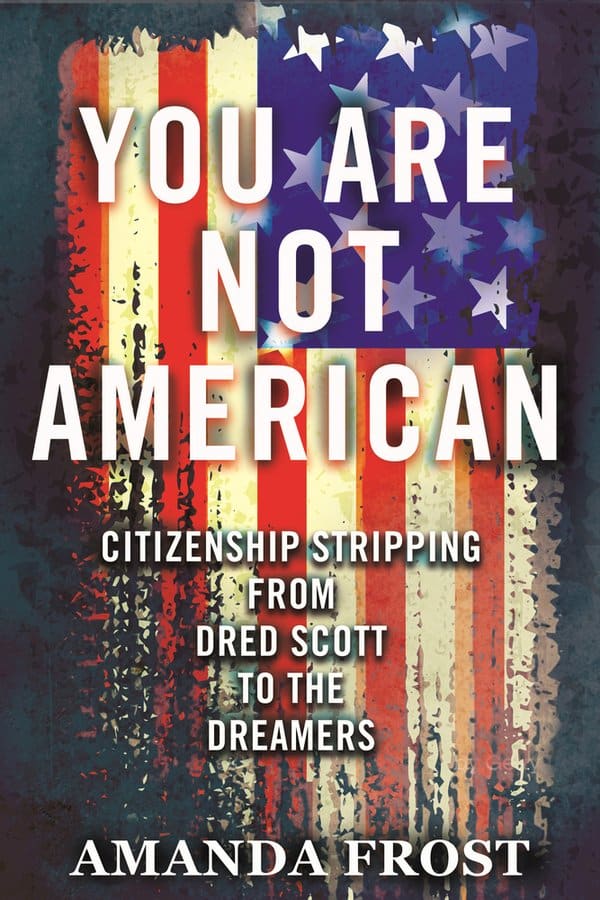
You Are Not American: Citizenship Stripping from Dred Scott to the Dreamers by Amanda Frost
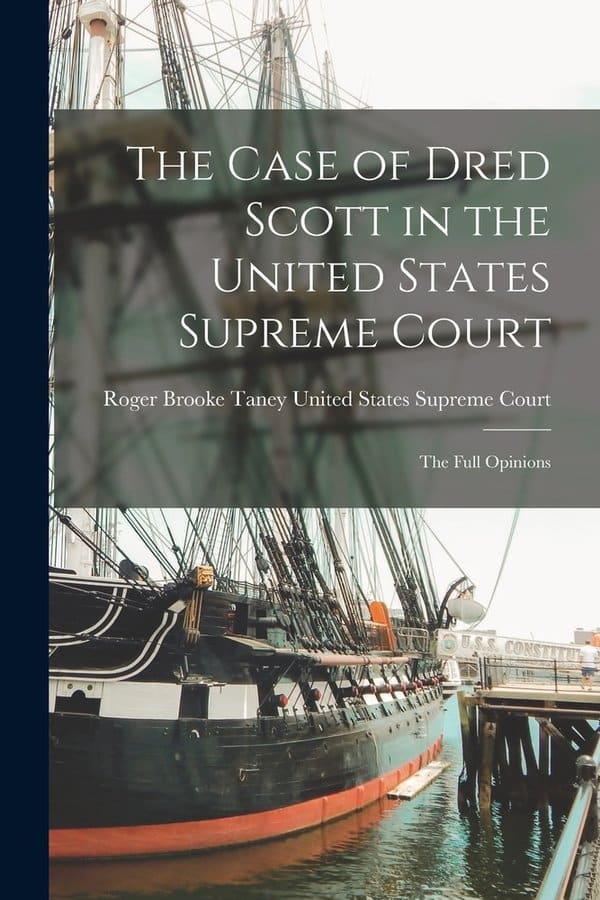
The Case of Dred Scott in the United States Supreme Court: The Full Opinions compiled by Roger Brooke Tancy United States Supreme Court