The Radical Agenda may utilize affiliate links for recommended books and resources. This means we may earn a small commission from clicks or purchases through those links at no cost to you. We only recommend products and services we believe in. All opinions shared are entirely our own. Thank you for supporting The Radical Agenda!
The Standing Rock Sioux Nation and the Dakota Access Pipeline
What is the Dakota Access Pipeline?
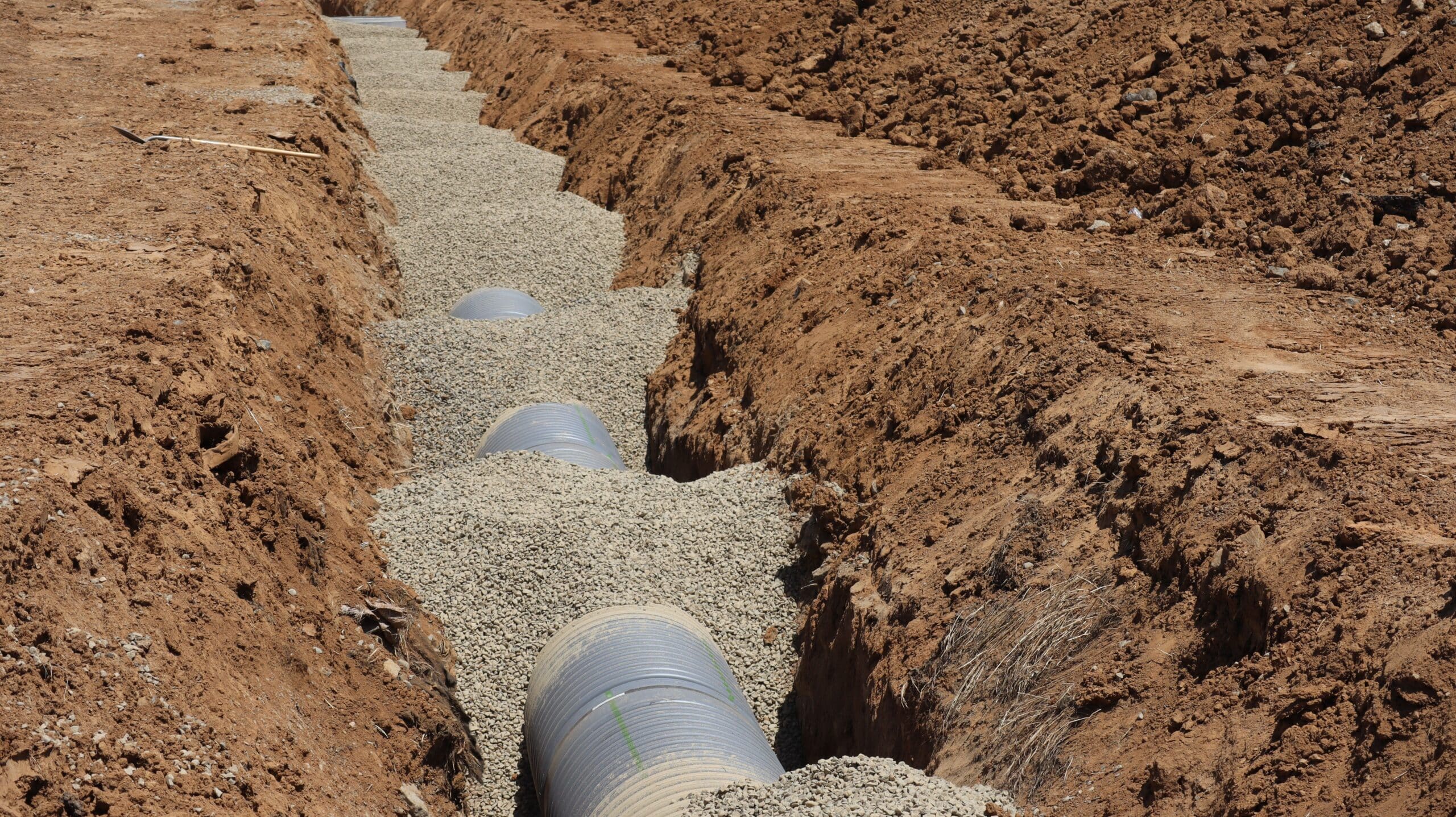
The Dakota Access Pipeline (DAPL) is a stretch of 1,172 miles of underground pipeline that starts in North Dakota, crosses through South Dakota and Iowa, and ends in Illinois. This pipeline moves 570,000 barrels (1 barrel = 42 gallons) of crude oil daily, with a goal of expanding to 1.1 million barrels a day.
Prior to the construction, multiple tribes from the involved states protested the project, citing huge environmental risks including potential oil leaks and contamination of the water supply. Besides the environmental risks, the other reason for these protests was the pipeline placement, as construction was set to go through sacred Indigenous sites and ancestral burial grounds.
Despite these objections, construction began within a mile of Standing Rock Sioux water systems. Early maps for the Dakota Access Pipeline show a consideration to route the line around the reservation, but this was abandoned because it would add “about eleven miles of pipeline to the project.” So instead, they decided to go through protected land.
In April of 2016, the official protests began on Standing Rock Sioux land at what became known as “Standing Rock protests” and “NoDAPL” protests. The Standing Rock Sioux held that the United States had violated Article II of the Fort Laramie Treaty of 1868, which states that portion of the land “set apart for the absolute and undisturbed use and occupation of the Indians herein named, … and the United States now solemnly agrees that no persons, except those herein designated and authorized so to do, and except such officers, agents, and employees of the government as may be authorized to enter upon Indian reservations in discharge of duties enjoined by law, shall ever be permitted to pass over, settle upon, or reside in the territory described in this article, or in such territory as may be added to this reservation for the use of said Indians, and henceforth they will and do hereby relinquish all claims or right in and to any portion of the United States or Territories, except such as is embraced within the limits aforesaid, and except as hereinafter provided.”
This is not the first time in our country’s recent history that the Native American Nations protested the United States breaking the Fort Laramie Treaty of 1868. If you recall, the group of Native Americans who occupied Alcatraz in 1969 also used the Treaty as justification for their reclaiming the island on which stood the abandoned Alcatraz prison.
The Standing Rock Protests
In July of 2016, the Standing Rock Sioux tribe sued the U.S. Army Corps of Engineers (ACE) for violating environmental protection laws regarding evaluation of risks of oil spills and plans for containment should they occur. The Standing Rock Nation began to gather on the site in protest, and soon thousands of people from around the country joined them to stand with the Standing Rock Nation and their right to protected lands and clean water.
While the protestors themselves were nonviolent, the police who responded used tear gas and water cannons against the protestors (in freezing temparatures), which included women and children. The protest lasted until February 23, 2017, when the National Guard was called in to evict all the remaining protestors. In 2021, the U.S. Court of Appeals ruled that the ACE did in fact violate the laws, and requested the pipeline shut down while the new review was created.
A federal judge ruled the shut down of the pipeline was not required during the review in February of 2022, and the ACE stated they believed they would have the review completed in March of 2022. They took until December 19, 2025. A report published on May 21, 2026, states that the ACE signed the Record of Decision after reading the Final Environmental Impact Statement.
In October of 2024, news broke that the pipeline leaked an estimated 1.4 millions of drilling mud into the soil in 2017 during the protests. The Dakota Access Pipeline is still running.
Note: The Radical Agenda believes in supporting independent bookstores over big box stores, so we share book links using Bookshop.org. Click on the picture to order your copy of the books that catch your eye, and thank you for supporting small businesses around the country!
Click here for the full book list.

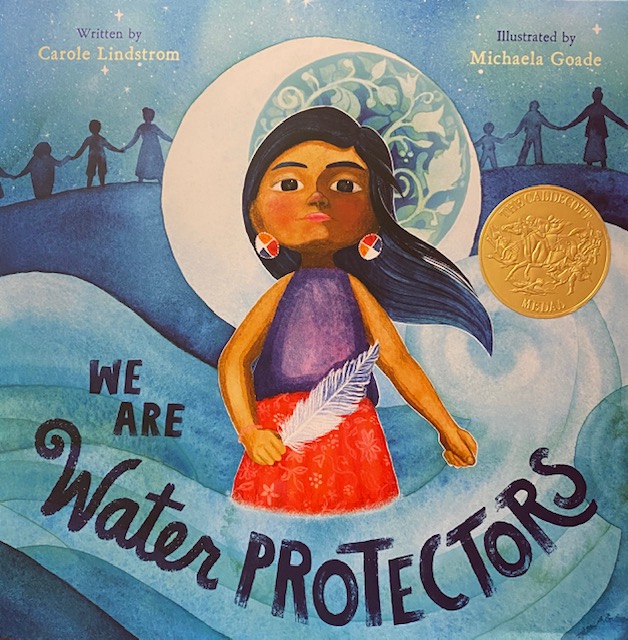
We are Water Protectors by Carole Lindstrom, illustrated by Michaela Goade
Black Snake: Standing Rock, The Dakota Access Pipeline, and Environmental Justice by Katherine Wiltenburg Todrys