The Radical Agenda may utilize affiliate links for recommended books and resources. This means we may earn a small commission from clicks or purchases through those links at no cost to you. We only recommend products and services we believe in. All opinions shared are entirely our own. Thank you for supporting The Radical Agenda!
When Were the Japanese Internment Camps?
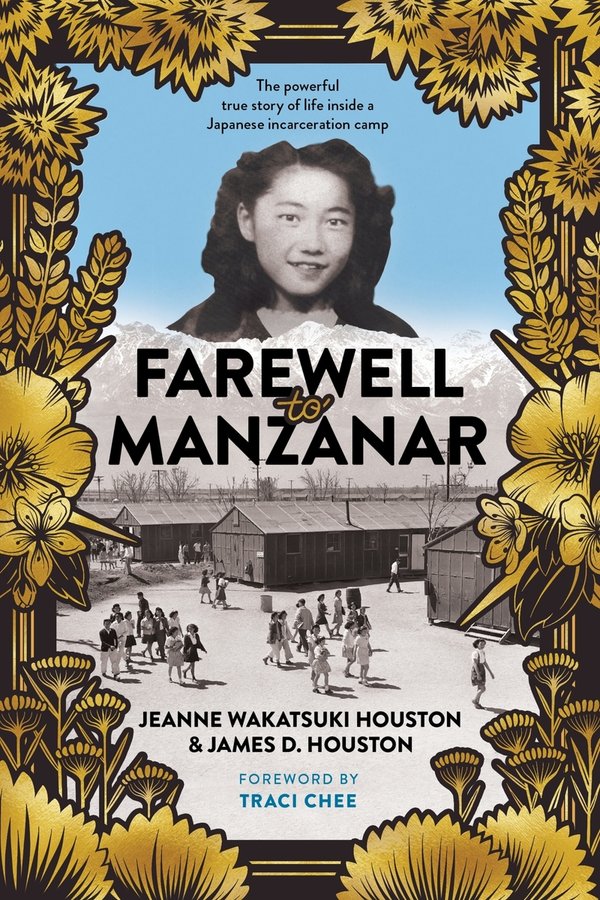
When we hear the term “concentration camp,” most people think of the Nazi concentration camps, which American soldiers bravely fought to end during World War II. What is lesser known is that the United States also had concentration camps on American soil at the same time: the Japanese internment camps.
Between 1942 and 1948, the United States government forced Japanese people from their homes and forced them to live in internment camps around the country.
These internment camps were a reaction to the surprise bombing of Pearl Harbor on December 7, 1941 by the Japanese army (this surprise bombing was later determined to be a war crime). The United States responded to the attack by declaring war with Japan, sparking Germany to declare war with the United States because they were allies to Japan, and the United States officially entered World War II.
During this state of frenzied panic, President Franklin D. Roosevelt issued Executive Order 9066 to detain anyone of Japanese descent for fear of espionage – without any proof that this was happening. Most of these people, including five-year-old George Takei of eventual Star Trek fame, were American citizens. George Takei told a story reported to NBC News of his memories of being removed by American military soldiers at gunpoint.
Where Were the Japanese Internment Camps?
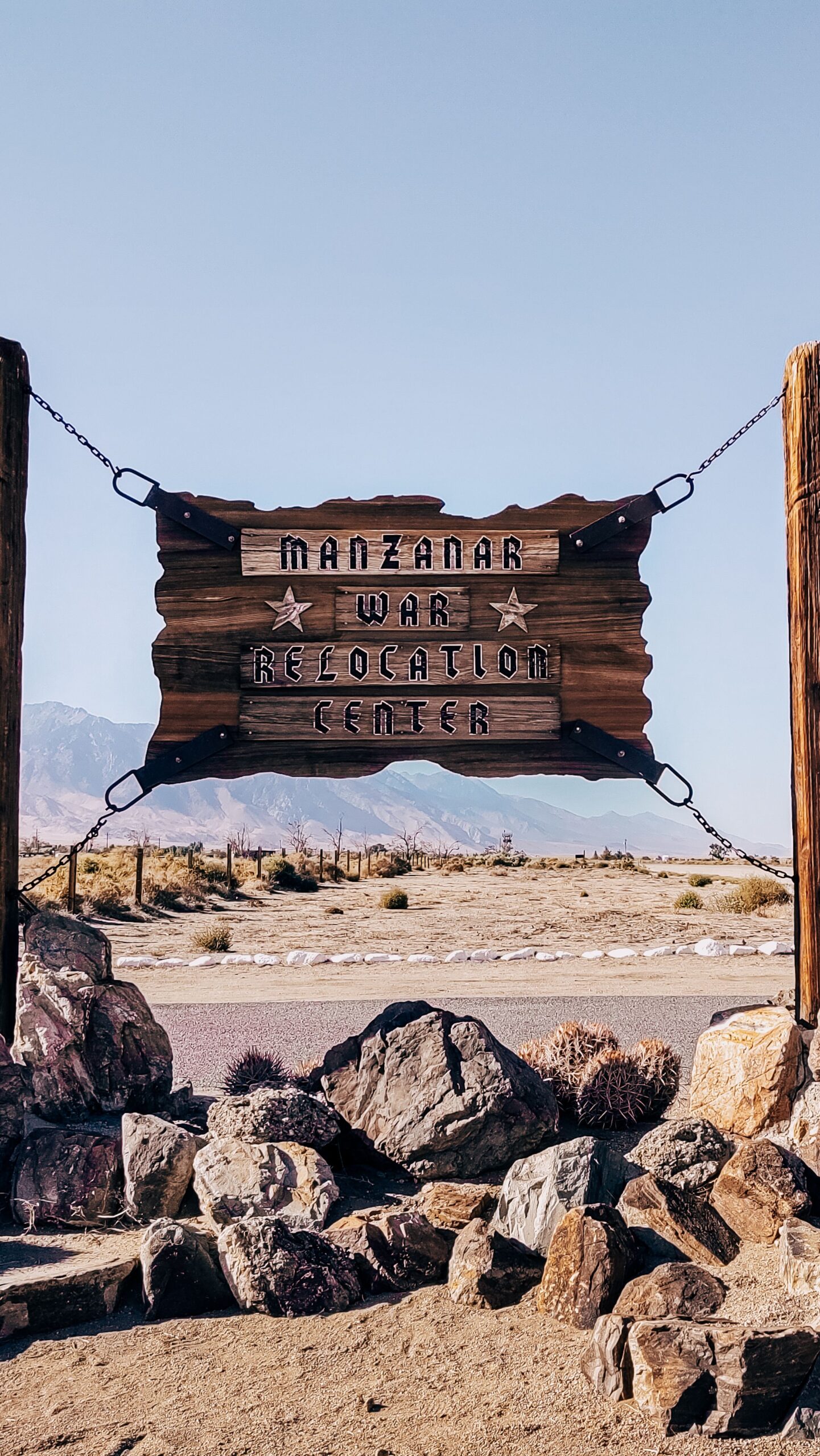
Two of the Japanese internment camps were placed inside Native American reservations, despite the protests of the tribes. In total, there were ten Japanese internment camps around the country, mostly in the western half of the country. Camps were located in Arizona, California, Idaho, Colorado, Utah, and as far east as Arkansas.
After the war ended and the last camp closed in 1948, many captives returned to their homes to find they had been destroyed or sold out from under them while they were away.
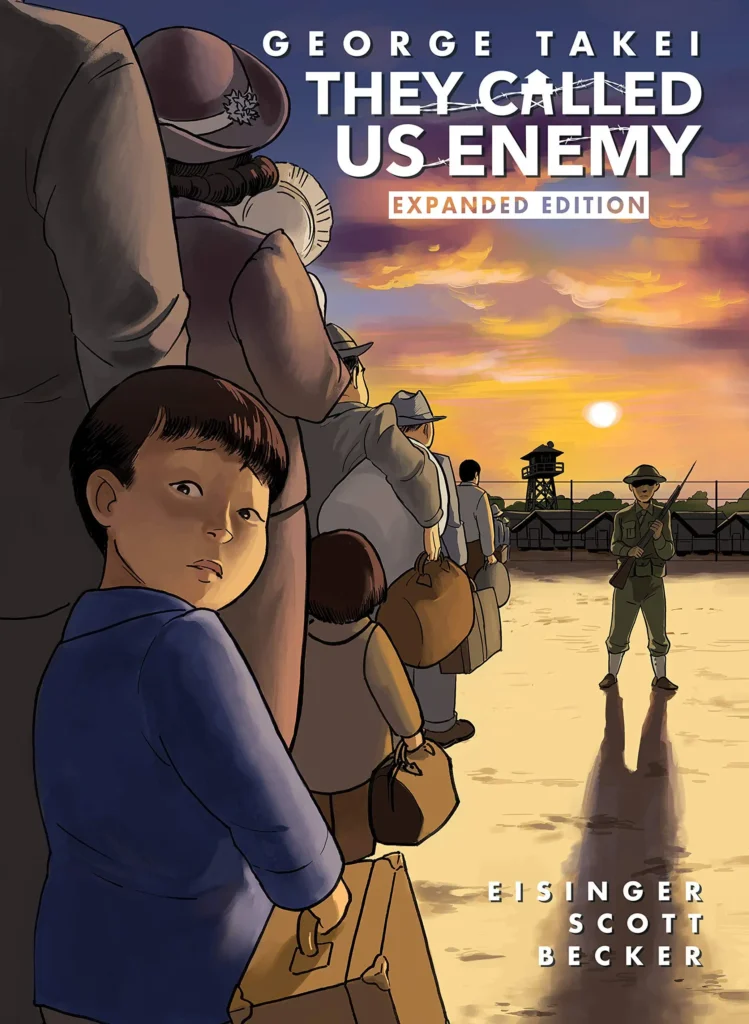
George Takei, known to the world as Hikaru Sulu on Star Trek, wrote a series of graphic novels to share his memories as a young boy being taken to live in an internment camp.
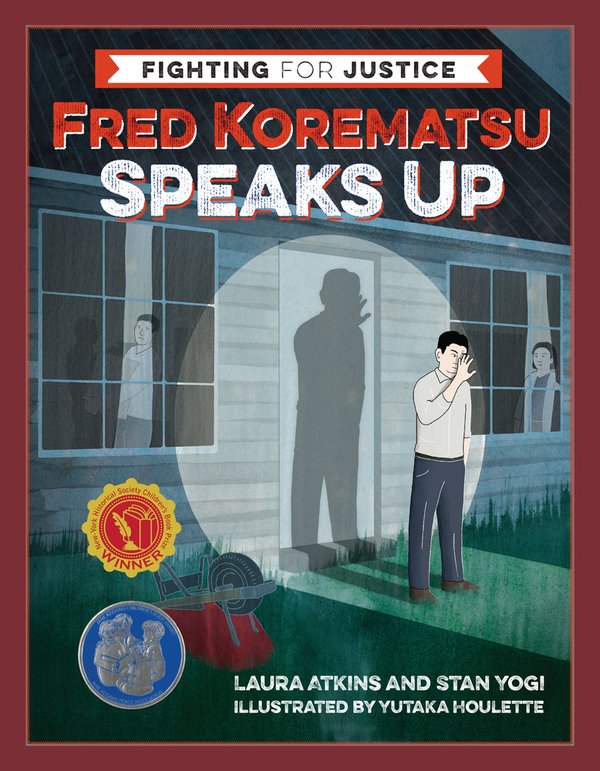
Fred Korematsu was a young man who refused to comply with the order to leave and report to an internment camp. He tried to hide his Japanese identity by undergoing plastic surgery to reshape his eyelids. Despite his attempts, he was still captured and forced to report to the camp. He appealed, and the Supreme Court decided his detainment was necessary. Forty years later, a historian found evidence of federal lawyers falsifying evidence for the Supreme Court case. The case was reopened, and he won. He lived the rest of his life as an activist.
It wasn’t until 1988 that President Ronald Reagan signed the Civil Liberties Act for anyone to finally see restitution. The Civil Liberties Act only gave each survivor $20,000.
In March of 2022, 16 House Republicans voted against a bill that would create a “Japanese American World War II History Network” within the National Park Service as an educational memorial. It passed anyway.
Note: The Radical Agenda believes in supporting independent bookstores over big box stores, so we share book links using Bookshop.org. Click on the picture to order your copy of the books that catch your eye, and thank you for supporting small businesses around the country!
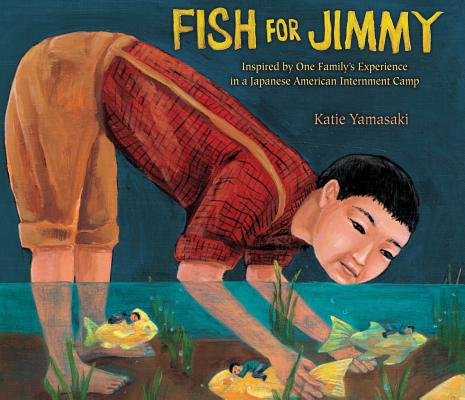
Fish for Jimmy: Inspired by One Family’s Experience in a Japanese American Internment Camp by Katie Yamasaki
They Called Us Enemy: Expanded Edition by George Takei, Justin Eisinger, and Steven Scott, illustrated by Harmony Becker
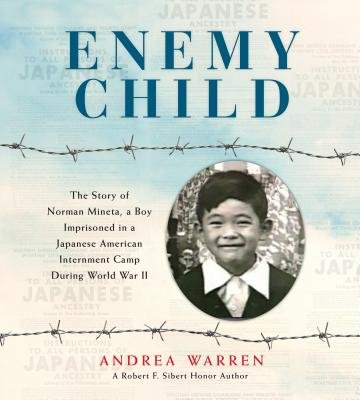
Enemy Child: The Story of Norman Mineta, a Boy Imprisoned in a Japanese American Internment Camp During World War II by
Andrea Warren
Fighting for Justice: Fred Korematsu Speaks Up by Laura Atkins and Stan Yogi, illustrated by Yutaka Houlette