The Radical Agenda may utilize affiliate links for recommended books and resources. This means we may earn a small commission from clicks or purchases through those links at no cost to you. We only recommend products and services we believe in. All opinions shared are entirely our own. Thank you for supporting The Radical Agenda!
What Happened During the Tulsa Race Massacre?
The Tulsa Race Massacre is a prime example of racially-motivated violence. Over the course of two days, a violent white mob of people used an accusation as their excuse to destroy a successful Black local economy known as “Black Wall Street.”
What Was Greenwood Before the Massacre?
In 1921, the neighborhood of Greenwood in Tulsa, Oklahoma, was a thriving Black community. There were over forty grocery stores, many people owned businesses, and economically, things were going well. But Tulsa also had a recorded 3,200 active KKK members in 1921, and at the end of May, that changed.
Who Was Dick Rowland?
It all started when a Black teenager, Dick Rowland, got on an elevator with a white woman named Sarah Page. Something happened and she screamed. Dick ran home and hid. The following day he was arrested at his home and brought to the jail, where hundreds of white men wanted him to be released so they could lynch him.
How Did the Massacre Unfold?
A group of around fifty Black men, many of them World War I veterans, wanted to protect Dick from the mob and went down to the jail, but when they saw the huge amount of people, they turned around. As they were walking away, a white man noticed that one of the Black men had been carrying a gun. When the Black man refused to hand it over, a swarm of angry white men rushed the Black men and the massacre began.
Bullets flew through the air. Witnesses say the police provided guns to the white men and told them to go “get some people” (edited for racial slurs). Black bodies were dragged behind cars through the streets. Homes were looted and burned to the ground. Biplanes dropped literal bombs on houses – this took advanced planning. This was not a random surprise.
What Happened to Dick Rowland and Greenwood After the Massacre?
By midday the following morning (June 1), Greenwood had been leveled. Somewhere between 50-300 people had been murdered. Dick Rowland was later exonerated. Turns out he had tripped and grabbed her arm instinctually as he was falling. No white people were ever convicted of any damages.
Five years later, Greenwood had been rebuilt and was mostly thriving again, until in the 1970s, when the government took homes by eminent domain to build highways through the town, which destroyed home value and displaced more residents. The residents whose homes were destroyed did not receive insurance payouts.
Has Tulsa Ever Made Reparations?
In 1997, a State commission was formed to review the massacre. They recommended reparations be made. In 2001, Oklahoma State Legislature the Race Riot Reconciliation Act was passed, but no official reparations have been made by the city to the survivors. In 2025, Tulsa Mayor Monroe Nichols announced a city-sponsored reparations package for the residents of Tulsa to help create affordable housing, address social and health needs, and identify the victims.
FAQ
- When did the Tulsa Race Massacre happen? The Tulsa Race Massacre took place over two days at the end of May and beginning of June 1921, in the Greenwood neighborhood of Tulsa, Oklahoma.
- What started the Tulsa Race Massacre? A confrontation between Dick Rowland, a Black teenager, and Sarah Page, a white woman, in an elevator was falsely reported as an assault. Dick Rowland was later exonerated.
- How many people died in the Tulsa Race Massacre? Estimates range from roughly 50 to 300 people killed, though the exact number has never been confirmed.
- Has Oklahoma paid reparations for the Tulsa Race Massacre? Oklahoma’s Race Riot Reconciliation Act passed in 2001, but as of mid 2026, no official reparations have been paid to survivors or descendants.
- Was Greenwood ever rebuilt after the massacre? Yes. Greenwood was largely rebuilt within about five years, but was later damaged again in the 1970s when the government used eminent domain to build highways through the neighborhood.
Note: The Radical Agenda believes in supporting independent bookstores over big box stores, so we share book links using Bookshop.org. Click on the picture to order your copy of the books that catch your eye, and thank you for supporting small businesses around the country!
Click here for a full book list.
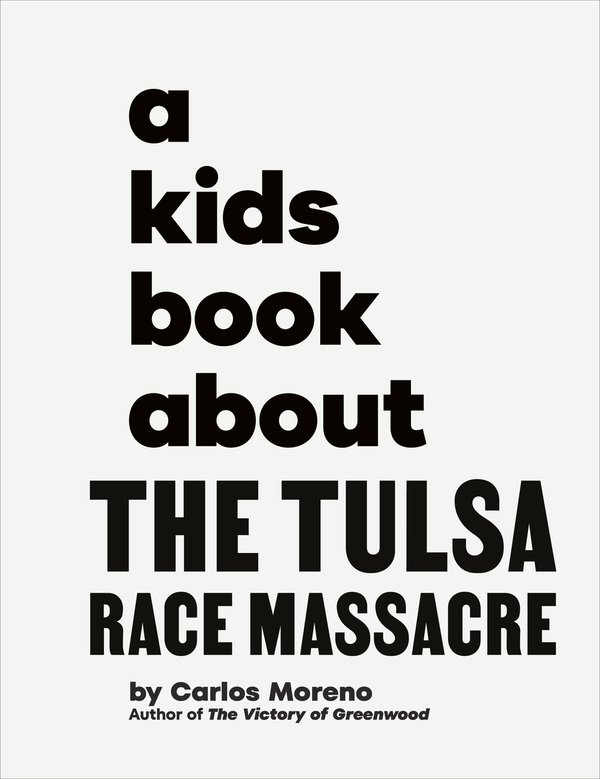
a kids book about The Tulsa Race Massacre by Carlos Moreno
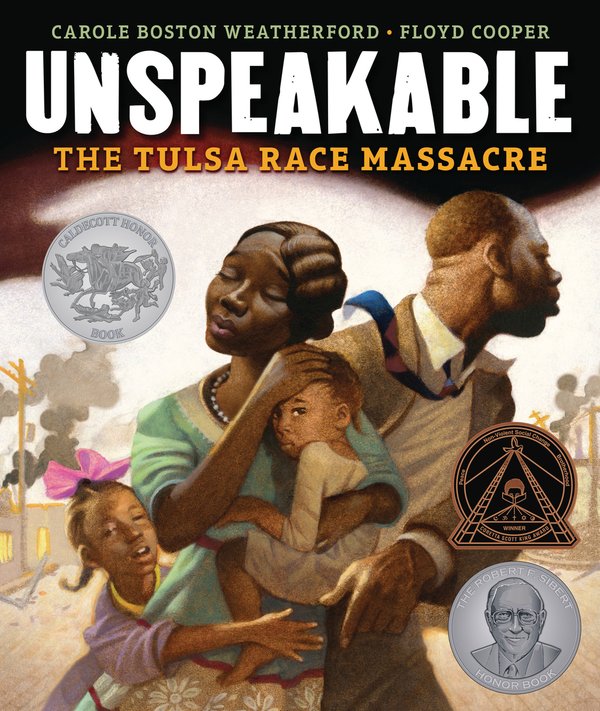
Unspeakable: The Tulsa Race Massacre by Carole Boston Weatherford, illustrated by Floyd Cooper
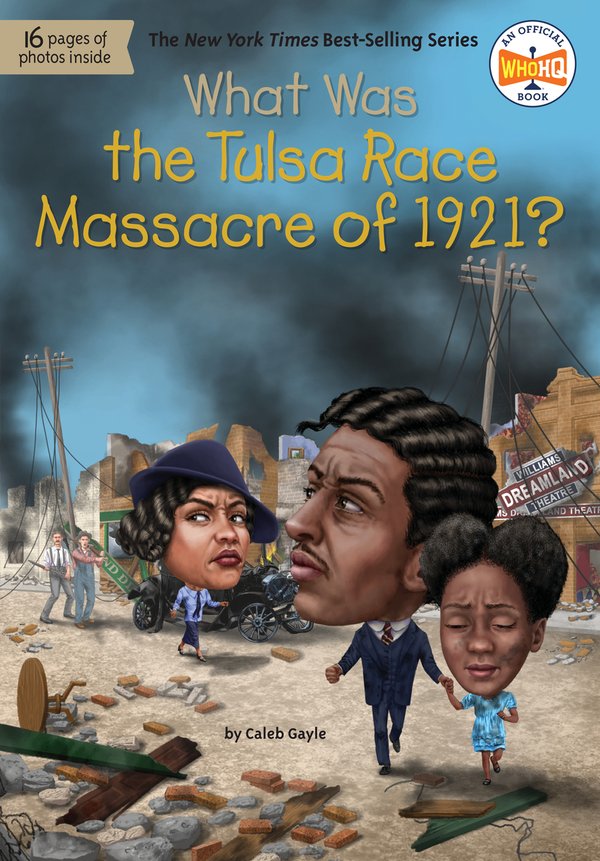
What Was the Tulsa Race Massacre of 1921? by Caleb Gayle
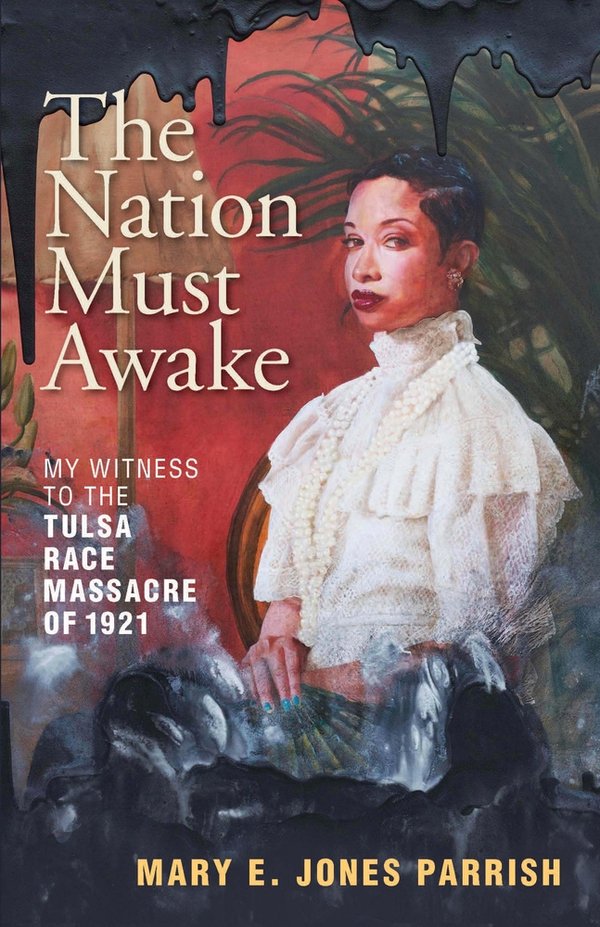
The Nation Must Awake: My Witness to the Tulsa Race Massacre of 1921 by Mary E. Jones Parrish
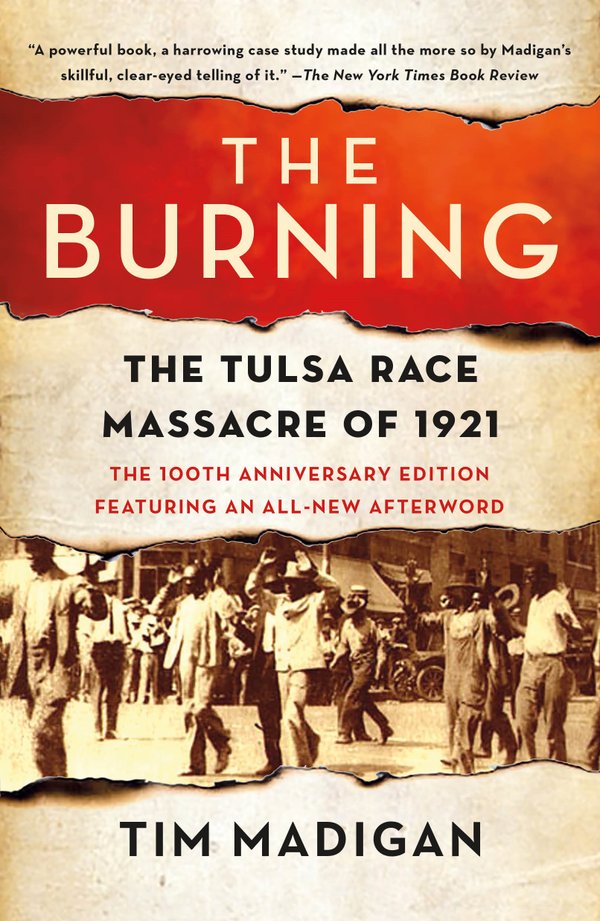
The Burning: The Tulsa Race Massacre of 1921 by Tim Madigan
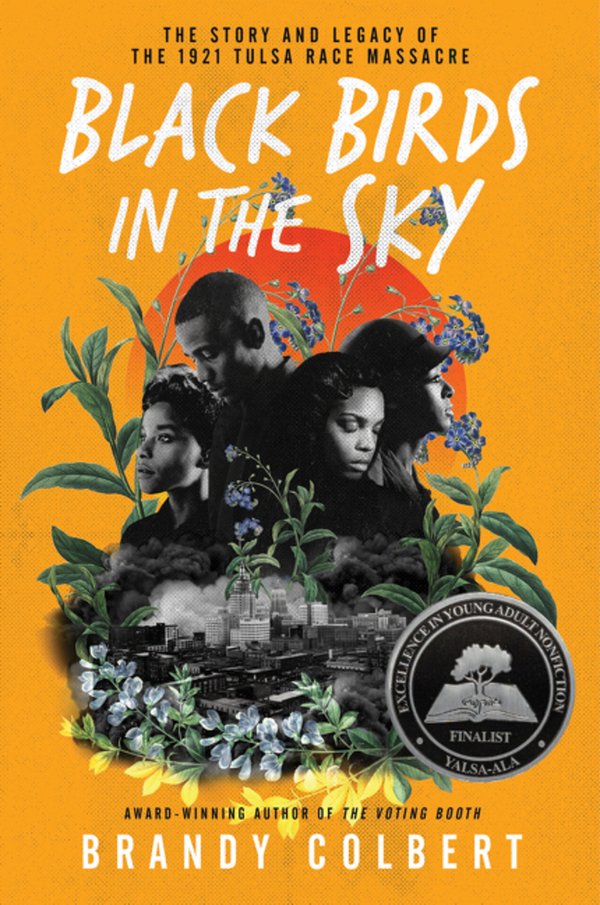
Black Birds in the Sky: The Story and Legacy of the 1921 Tulsa Race Massacre by Brandy Colbert