The Radical Agenda may utilize affiliate links for recommended books and resources. This means we may earn a small commission from clicks or purchases through those links at no cost to you. We only recommend products and services we believe in. All opinions shared are entirely our own. Thank you for supporting The Radical Agenda!
Who Started Black History Month?
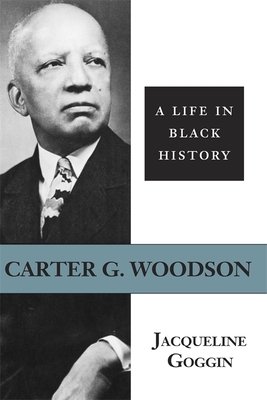
Dr. Carter Woodson is known as the Father of Black History Month. Born in Virginia on December 19, 1875 to formerly enslaved parents, he learned as he could between jobs on the land or in the mines. He went to Douglass High School at the age of 20 and graduated two years later in 1897. He then became a teacher, advancing in his career until he became the principal of the very high school he attended.
He continued to teach and simultaneously continued his own education, earning a Bachelor of Arts and Master of Arts from the University of Chicago. He then enrolled at Harvard, where he became the second Black man to earn a Harvard PhD, after W.E.B. Du Bois. He was one of the founders of the Association for the Study of Negro Life and History (ASNLH) in 1915. It has since evolved and been renamed to be the Association for the Study of African American Life and History and is headquartered in Washington, D.C.
Dr. Woodson believed the same premise as The Radical Agenda: teaching all of history is how we reduce racism. Teaching only parts of history is how we enforce racism. In his book, The Mis-Education of the Negro, he said “If a race has no history, it has no worthwhile tradition, it becomes a negligible factor in the thought of the world, and it stands in danger of being exterminated.” This core belief was what fueled his passion to include Black history in schools, and he created “Negro History Week” in 1926.
Remember in the 1920s that Jim Crow laws were still in full effect and school segregation was still normal. So even though Black Americans build the White House, even though Black inventors were saving lives like Garrett Morgan and his “smoke hood,” which became the gas masks that helped save soldiers in World War I, even though the popular Jazz music of the time predominantly came from Black artists, those lessons were not being taught to children in the classrooms. This lack of knowledge led white people to believe that Black Americans didn’t have history worth telling, and thus they felt justified treated Black Americans as “less than.”
One week was not enough time to honor and teach all the contributions of Black Americans in American history. Almost forty years after “Negro History Week” had been instituted, middle school American History textbooks books barely featured any people of color in the 1960s. In 1976, President Gerald Ford issued a Presidential message to all Americans to celebrate for the full month of February, encouraging them to “seize the opportunity to honor the too-often neglected accomplishments of Black Americans in every area of endeavor throughout our history.”
On February 11, 1986, Congress passed Public Law 99-244, officially designating February as Black History Month, and specifying Dr. Carter Woodson as the one who initiated the movement with “Negro History Week.”
Why Do We Still Need Black History Month?
We repeat “with liberty and justice for all” in every American classrooms; it should be a given that the history of all should be taught within those same classrooms.
In 1954, when the United States Supreme Court issued their ruling on Brown vs. Board of Education, declaring segregated schools to be unconstitutional, many white families pulled their children from public schools, founding private schools rather than being forced to integrate at a public school.
And here we are, some seventy years later, still arguing about what Black history stories to include, with some white women crying to the school board about how their children might “feel guilt or shame about the color of their skin.” The events in 2021 covered in this article were the catalyst for the creation of this entire blog and mission.
It seems that even with an entire month dedicated to the achievements and contributions of the black community, we are still fighting for that pesky word “all.”
Note: The Radical Agenda believes in supporting independent bookstores over big box stores, so we share book links using Bookshop.org. Click on the picture to order your copy of the books that catch your eye, and thank you for supporting small businesses around the country!
Click here for the full book list for easy ordering.
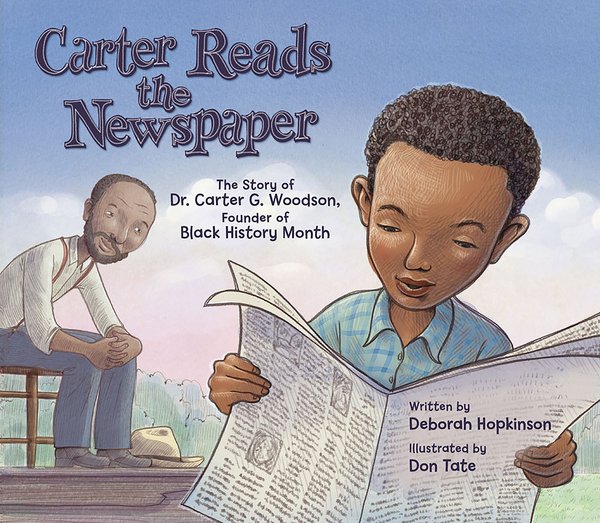
Carter Reads the Newspaper: The Story of Dr. Carter G. Woodson, Founder of Black History Month by Deborah Hopkinson, illustrated by Dan Tate
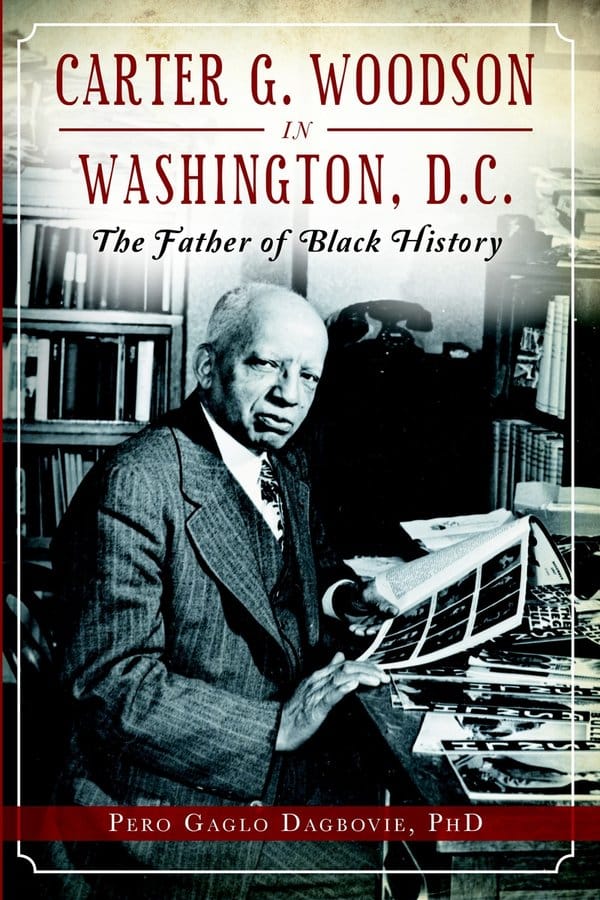
Carter G. Woodson in Washington, D.C. The Father of Black History by Pero Gaglo Dagbovie, PhD
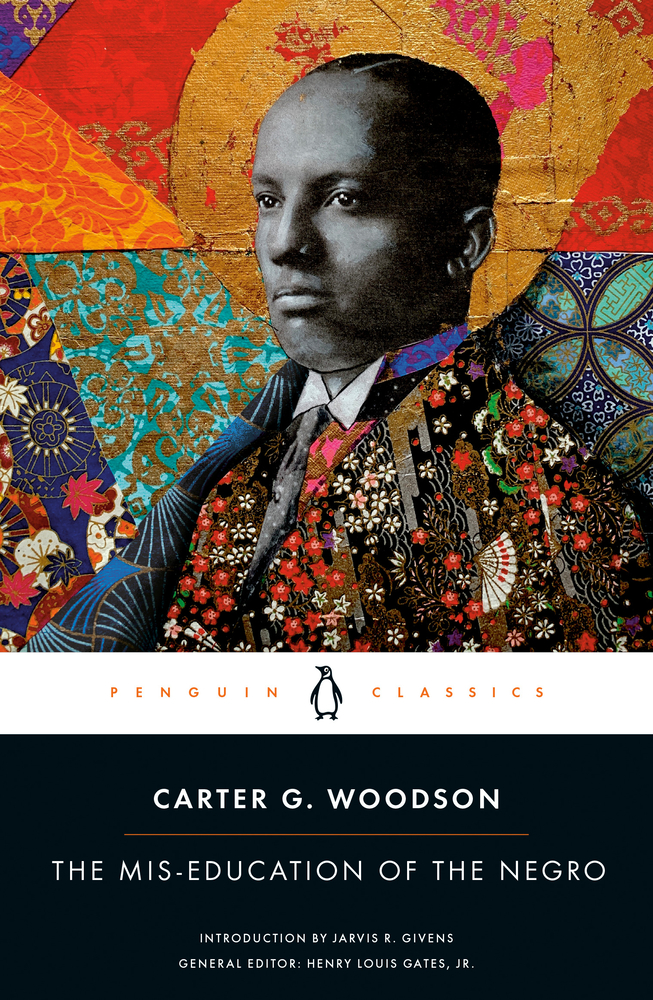
The Mis-Education of the Negro by Carter G. Woodson
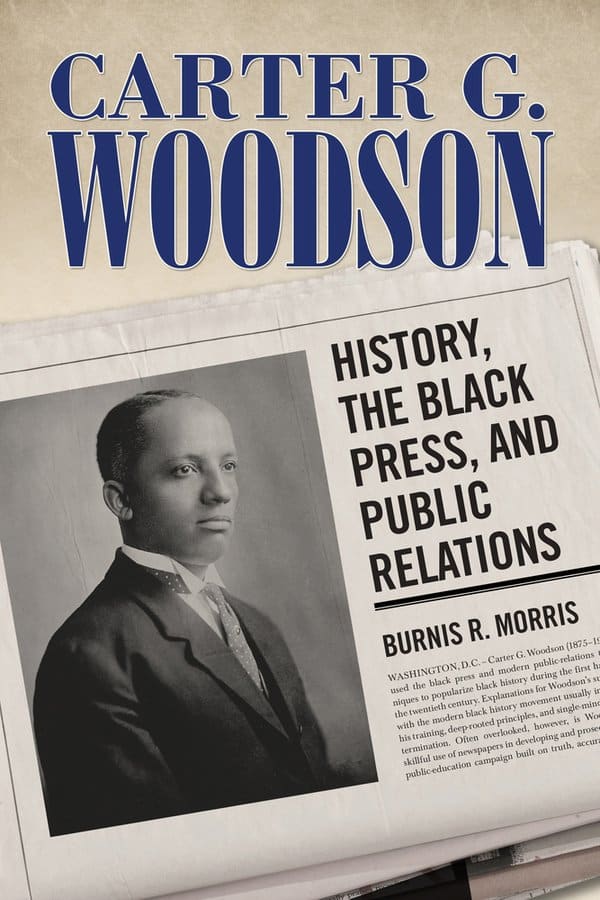
Carter G. Woodson: History, the Black Press, and Public Relations by Burnis R. Morris